

Insights
Programmes we flagged, from the official record.
Opportunity briefs by domain, country briefs on the programmes ahead, and comparisons of intelligence tools. Every article cites its official sources.
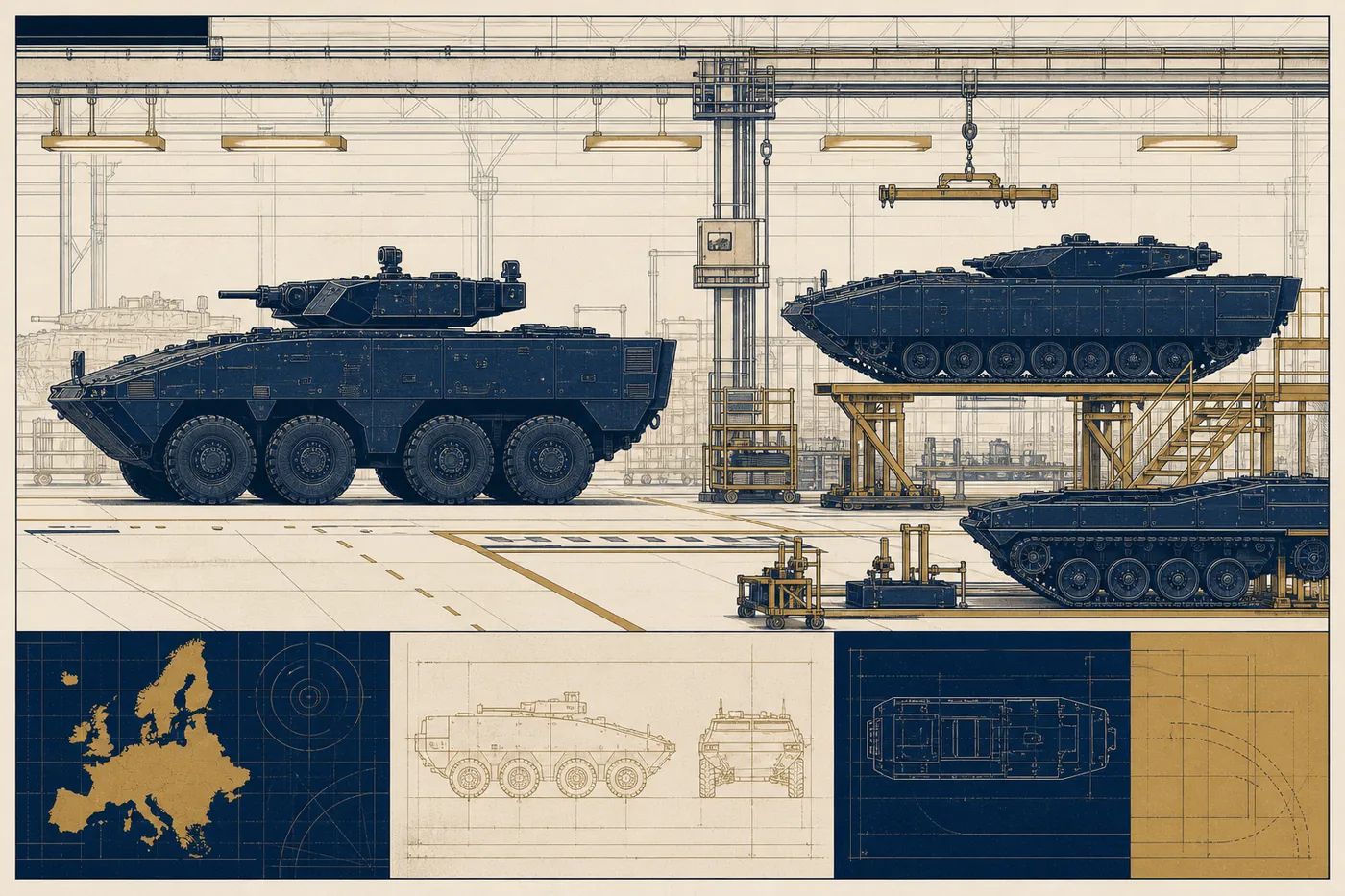
Land Systems Procurement in Europe: Supplier Opportunities
European land systems procurement is being recapitalised on a scale not seen since the 1980s, with infantry fighting vehicles, main battle tanks and armoured support vehicles ordered simultaneously in Germany, the Netherlands, Poland, Romania, Spain, Italy and Belgium. Most of these programmes are contracted through OCCAR, by intergovernmental agreement or by negotiated procedure, and several have never been advertised at all. This briefing sets out the land programmes Dfensio flagged, with values, stages and expected contract windows for tier-2 and tier-3 suppliers.
Read →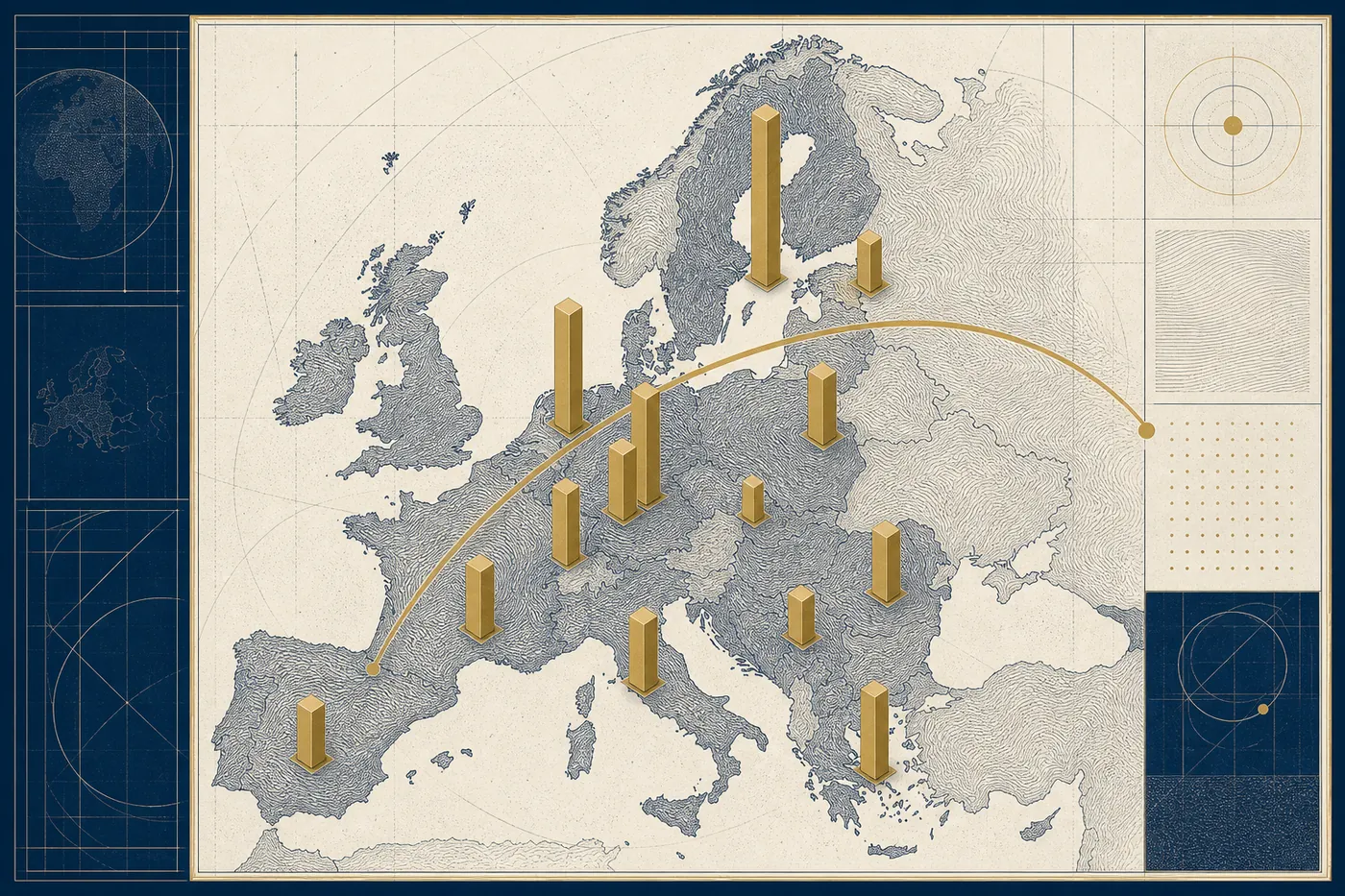
SAFE EUR 150bn Loans: What Defence Suppliers Must Know
SAFE is a EUR 150 billion EU loan instrument for defence procurement, and Article 19 of its founding regulation deems every SAFE-supported procurement to satisfy the crisis urgency test, which permits award without any published contract notice. Nineteen member states requested loans, eighteen have approved allocations, and money has been disbursing since May 2026. This guide explains what SAFE changes for suppliers: the legal effect of Articles 18 and 19, the eligibility and control rules, the per-country allocations, and the dates that still matter between now and 2030.
Read →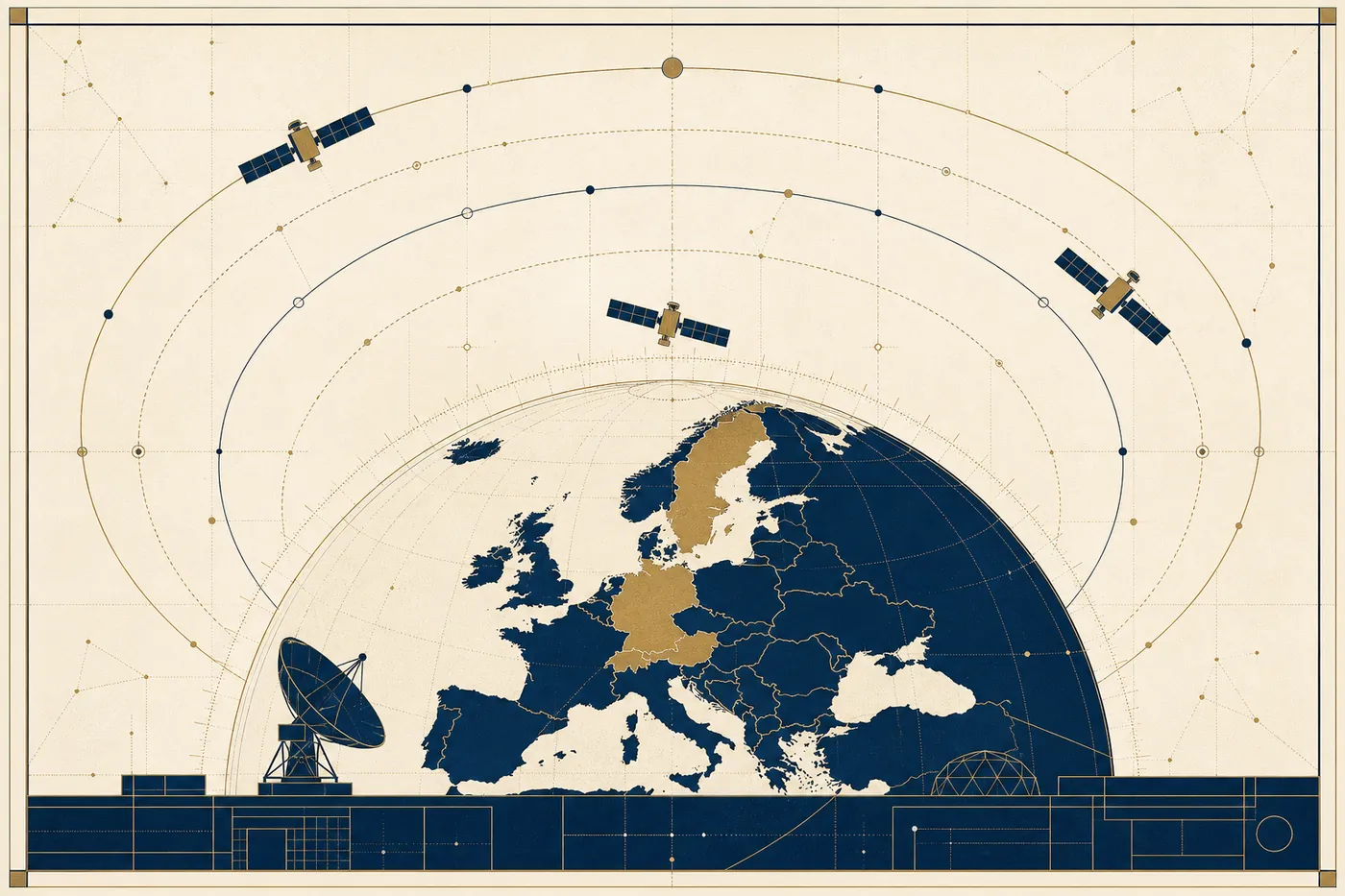
Military Space Procurement in Europe: The 2026 Pipeline
European military space procurement has moved from a handful of national reconnaissance programmes to a multi-billion-euro, multi-domain build-out covering SATCOM, space domain awareness, PNT resilience and space-based early warning. This briefing sets out what Dfensio has flagged: the SPACE project of common interest of up to €24 billion by 2034, the IRIS2 concession, Belgium's €616.7 million joint space line and the national terminal programmes, and where the supplier openings sit.
Read →
Military Infrastructure Contracts in Europe: 2026 Pipeline
Military infrastructure is the fastest-growing segment of European defence procurement and the most dispersed, spread across defence ministries, state real-estate agencies and NATO host nations. This briefing sets out the projects Dfensio has flagged, from the €610 million SHAPE headquarters at Mons to the €200 million Dutch barracks framework and Belgium's €178 million deployable infrastructure line, with official values and dates.
Read →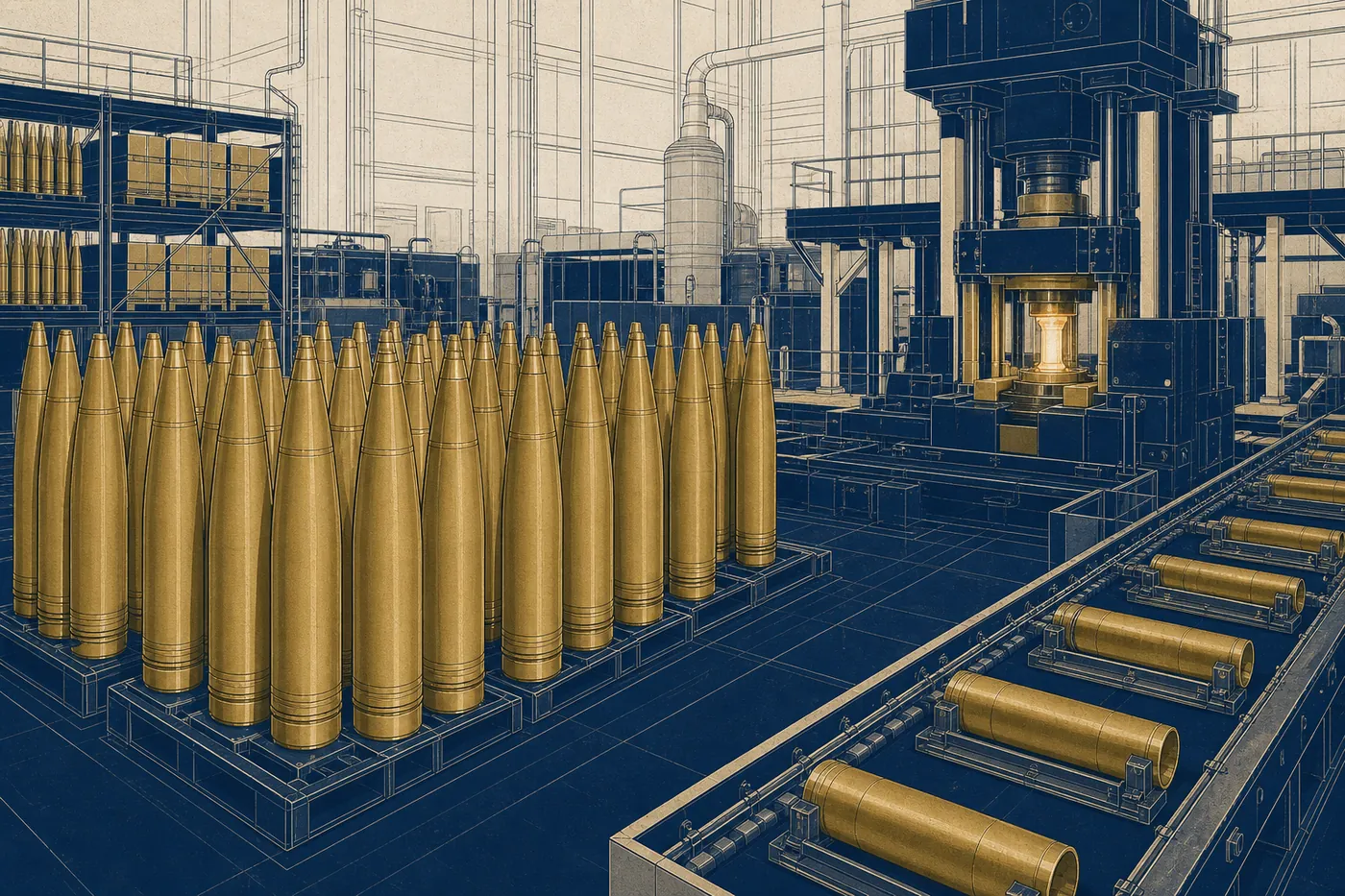
Ammunition and Missile Procurement in Europe: Opportunities
Ammunition and missiles are the fastest-moving capability area in European defence procurement and the one where public tenders say least about the size of the market. Ammunition and missiles head the list of capabilities eligible under the EUR 150 billion SAFE instrument, Poland is contracting 155 mm and air-defence missile production in multi-billion tranches, and the United Kingdom is funding at least six new energetics factories. This briefing sets out the ammunition and missile programmes Dfensio flagged, with values, stages and expected contract windows for propellant, energetics, forging, machining and subsystem suppliers.
Read →
UK Defence Procurement Opportunities: Programmes 2026-2030
The United Kingdom runs Europe's largest defence budget through a portfolio of named major projects, several of them worth more than GBP 6bn and one above GBP 36bn. This brief presents the programmes Dfensio flagged for suppliers to 2030: the New Medium Helicopter and its British supply chain, an armoured cavalry programme under review since July 2026, mechanised infantry, land tactical communications and the re-scoped amphibious shipping requirement, with values, stage and expected contract windows.
Read →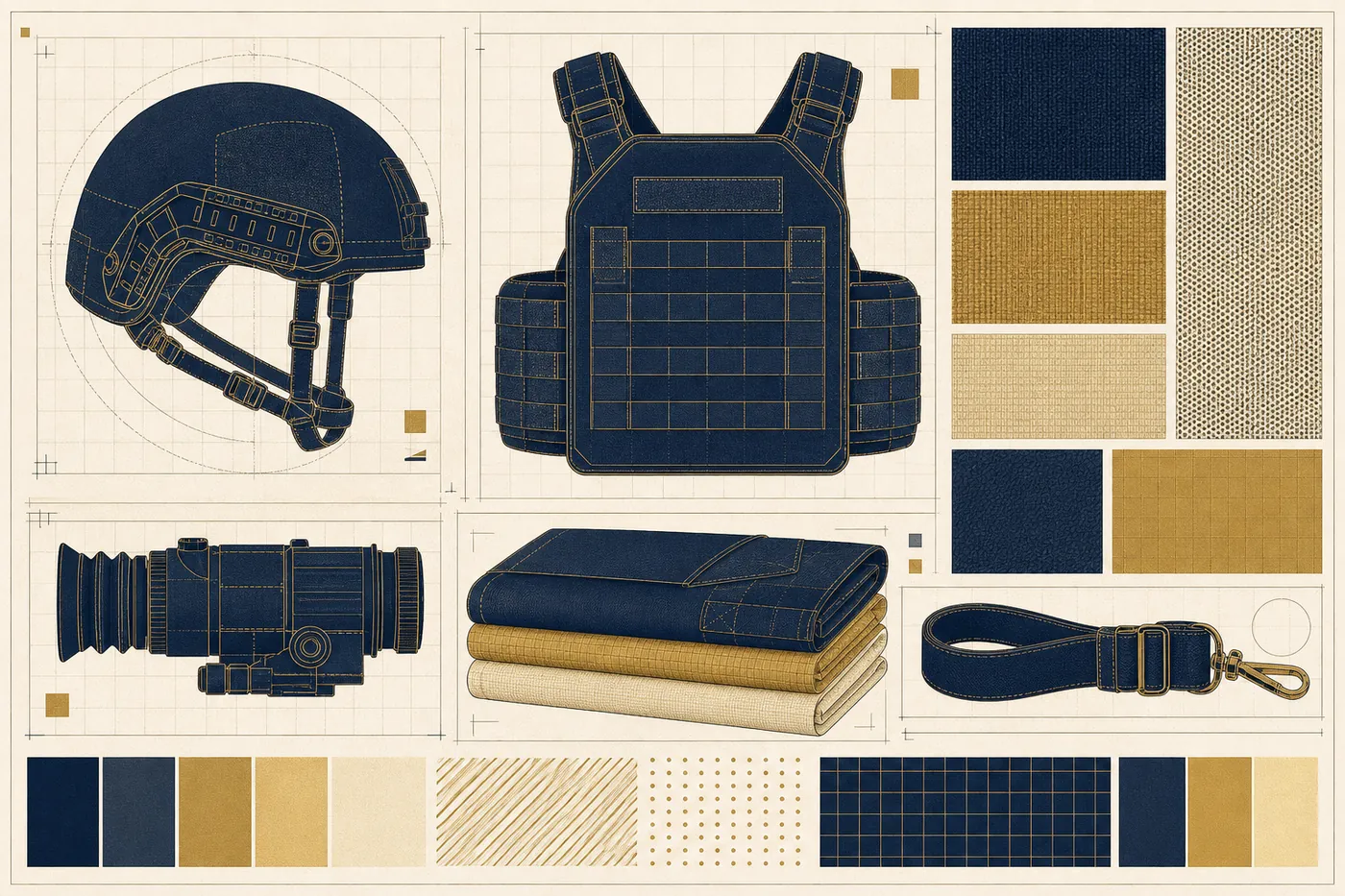
Soldier Systems Procurement in Europe: The 2026 Pipeline
Soldier systems, protective equipment and military textiles are procured in long framework agreements, renewed on fixed cycles, and programmed years ahead. This briefing sets out the European programmes and live frameworks Dfensio has flagged, from Belgium's 72-month outdoor and enabling equipment framework to its €305 million soldier armament line and the EU institutions' €31.7 million armoured vehicle contract, with official values and dates.
Read →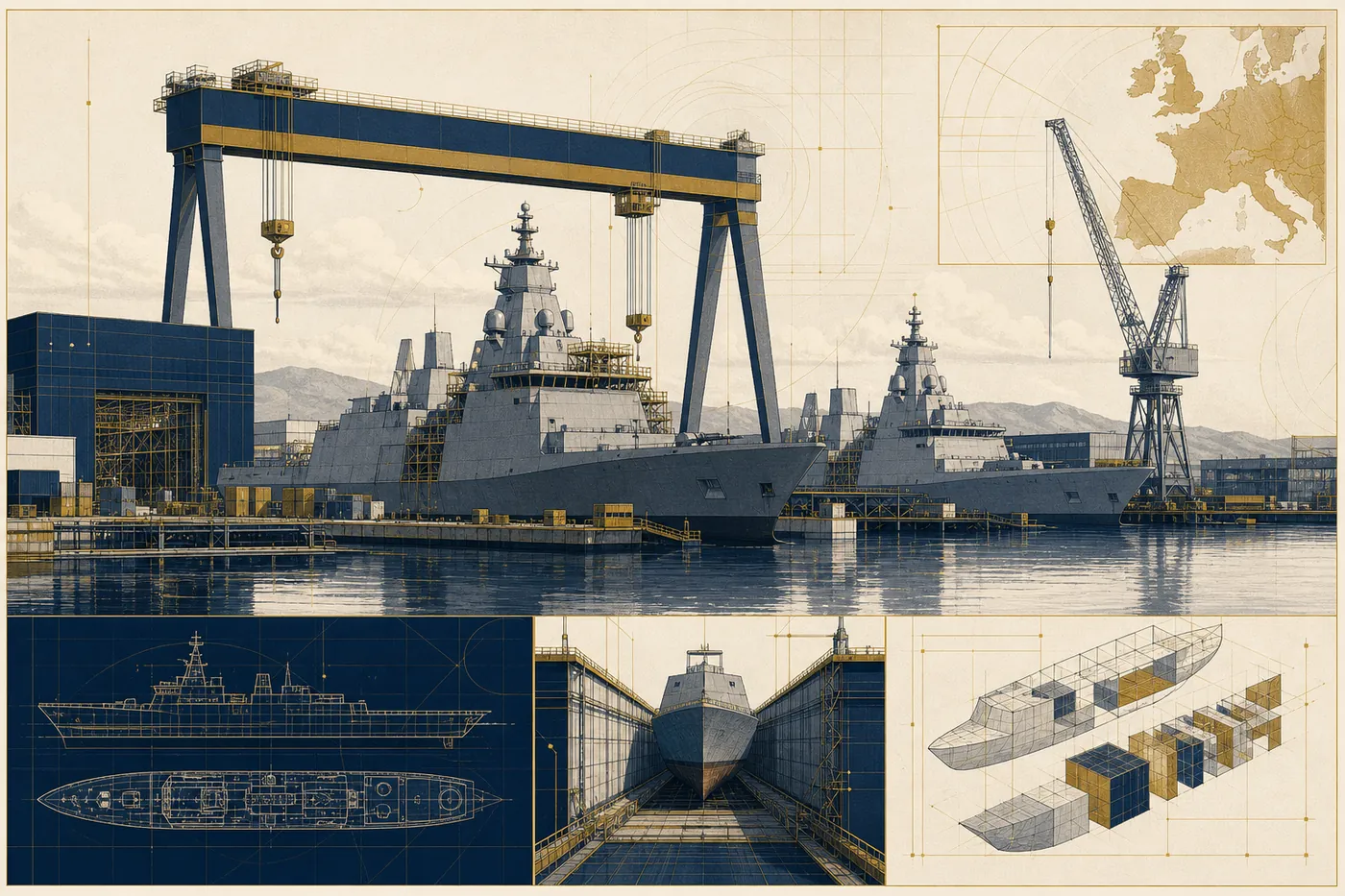
Naval Procurement in Europe: Opportunities for Suppliers
European naval procurement has entered its densest ordering cycle since the Cold War, with frigate, submarine and mine-countermeasure programmes committed simultaneously in Belgium, Germany, Italy, Poland, Spain, Sweden and the Nordic states. Most prime contracts are placed by negotiated procedure or intergovernmental agreement, so the sourcing window for tier-2 and tier-3 suppliers opens well before any award is announced. This briefing sets out the naval programmes Dfensio flagged, with values, stages and expected contract windows.
Read →
Defence Procurement Opportunities in Italy: Programmes 2026-2030
Italy authorises roughly twenty-five multi-year armament programmes a year, each with a cost, an annual financial schedule and a stated position in a longer sequence of tranches. This brief presents the programmes Dfensio flagged for suppliers to 2030: submarines, armoured infantry fighting vehicles, a new reconnaissance and escort helicopter and the Eurofighter fleet, with values, stage, buying authority and expected contract windows.
Read →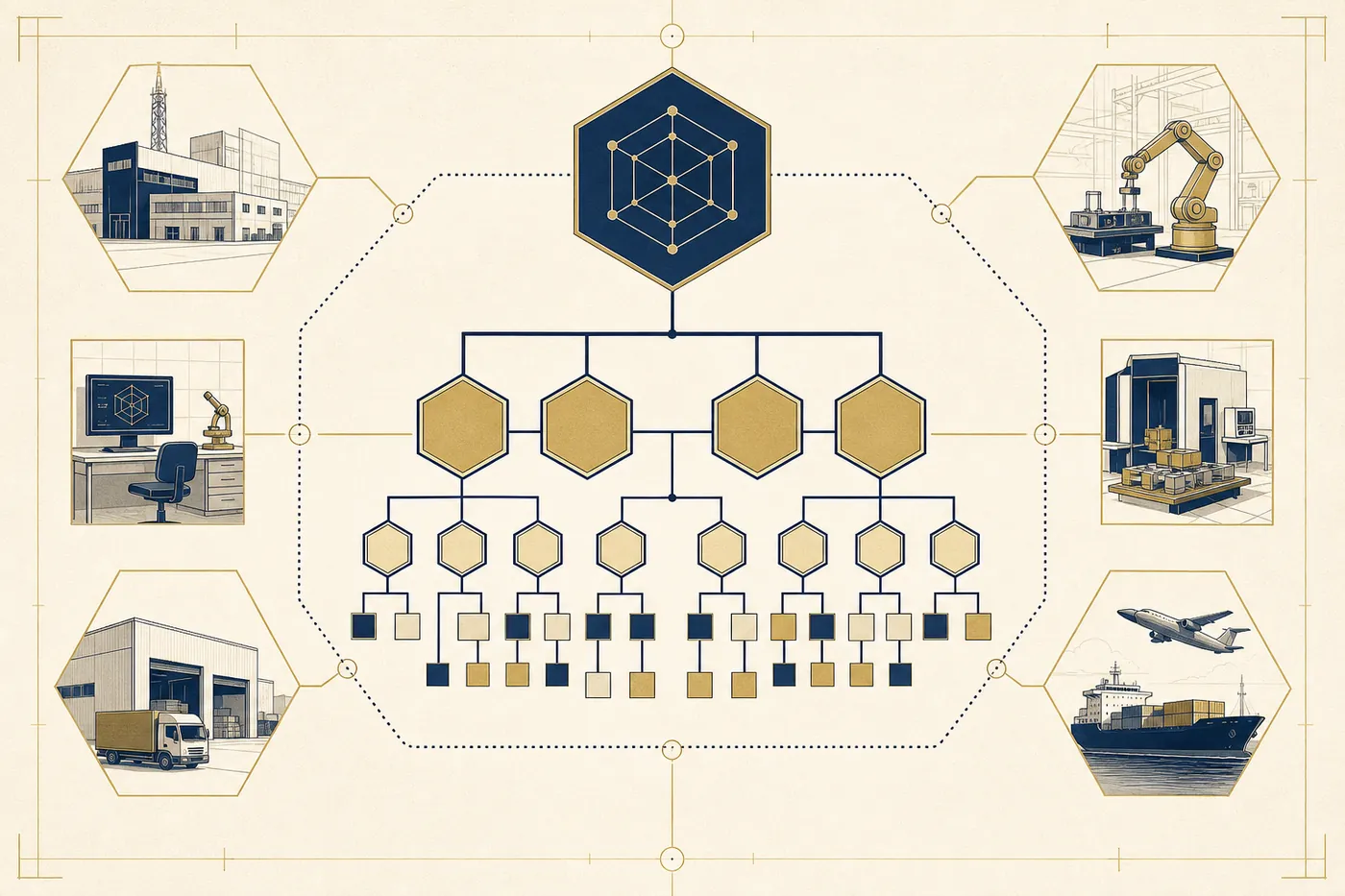
How to Become a Defence Subcontractor in Europe
Entering a European defence supply chain is a procedural problem, not a commercial one. This guide sets out the legal mechanism that forces primes to compete part of their subcontracting, the thresholds and exemptions that determine whether a contract is ever advertised, the registration routes to the main European primes and to NATO, the SAFE eligibility gates, and the EU funding rules that now reward cross-border SME participation.
Read →
Air Defence and Radar Procurement in Europe: Opportunities
Ground-based air defence, counter-drone systems and sensors are the fastest-growing line in almost every European defence budget, and the one where the gap between the size of the market and the number of public tenders is widest. Belgium has legislated a EUR 4 billion air and missile defence envelope, Denmark has committed DKK 58 billion, Germany holds an open option on 30 Skyranger systems and Poland is contracting through a state agency. This briefing sets out the air defence and sensor programmes Dfensio flagged, with values, stages and expected contract windows for radar, effector, command-and-control and component suppliers.
Read →
Air Combat Procurement in Europe: Supplier Opportunities
European air combat and aerospace procurement is contracted almost entirely by negotiated procedure, intergovernmental agreement or multinational agency. Roughly EUR 6 billion of French air authorisations for 2026 alone will produce no public tender, Belgium has legislated more than EUR 3.3 billion for its combat air fleet, and NATO has selected a platform for up to ten airborne early warning aircraft without yet signing a contract. This briefing sets out the aerospace programmes Dfensio flagged, with values, stages and expected contract windows for tier-2 and tier-3 suppliers.
Read →
Defence Procurement Opportunities in Norway: Programmes 2026-2030
Norway's long-term defence plan of 2024 and its rolling acquisition programme put more than a dozen projects above NOK 5bn on the table for 2026-2033, most of them not yet approved and therefore still open to industry. This brief presents the projects Dfensio flagged for suppliers: a class of up to 28 standardised vessels, long-range air defence, new helicopter capacity, combat support vehicles and frigate life extension, with values, stage and expected contract windows.
Read →
Defence Procurement Opportunities in Germany: Programmes 2026-2030
Germany has the largest defence budget in Europe and funds roughly 45 armament programmes individually, each with a spending curve running as far as 2036. This brief presents the programmes Dfensio flagged for suppliers to 2030: a wheeled armoured vehicle for the medium forces, the successor to an armoured transport vehicle, a frigate alternative platform, infantry fighting vehicle options, ground-based air defence and the main ground combat and future combat air systems, with stage, buying authority, expected contract windows and the industrial policy that governs entry.
Read →
Defence Procurement Opportunities in France: Programmes 2026-2030
France is executing a EUR 413.3bn military programming period to 2030, and the 2026 financial year opens the realisation phase of about twenty armament operations worth more than EUR 11bn. This brief presents the programmes Dfensio flagged for suppliers: what is being bought, by whom, for how much, at what stage, and where the supply chain is still open.
Read →
Drone and Counter-UAS Procurement in Europe: 2026 Pipeline
European drone and counter-UAS procurement has entered a dense contracting cycle. This briefing sets out the programmes Dfensio has flagged, their official values and first commitment years, from Belgium's €368.9 million counter-UAS line to the €504.1 million MQ-9B envelope and France's €550 million contact-drone increment, and where the supply-chain openings sit.
Read →
C4ISR and Cyber Procurement in Europe: Supplier Opportunities
C4ISR, defence electronics and cyber are the capability areas where European states publish the largest envelopes and the least information about who will supply them. Belgium alone has legislated close to EUR 3.5 billion across intelligence, cyber, space, digitalisation and classified data centres, and Germany carries a EUR 2.74 billion budget line for its land digitalisation radio programme. This briefing sets out the C4ISR and cyber programmes Dfensio flagged, with values, stages and expected contract windows for systems integrators, radio, sensor, network, cryptography and cyber suppliers.
Read →
Defence Procurement Opportunities in Poland: Programmes 2026-2030
Poland is Europe's fastest-growing defence buyer, and its Armament Agency runs two very different kinds of programme: national and competitive programmes where the supply chain is assembled over years, and intergovernmental purchases where it is not. This brief presents the programmes Dfensio flagged for suppliers to 2030: the Miecznik frigates and their subsystem cascade, the Borsuk infantry fighting vehicle, and the 2026 requirements for anti-personnel mines, patrol corvette armament, man-portable air defence, counter-drone systems and radar landing systems.
Read →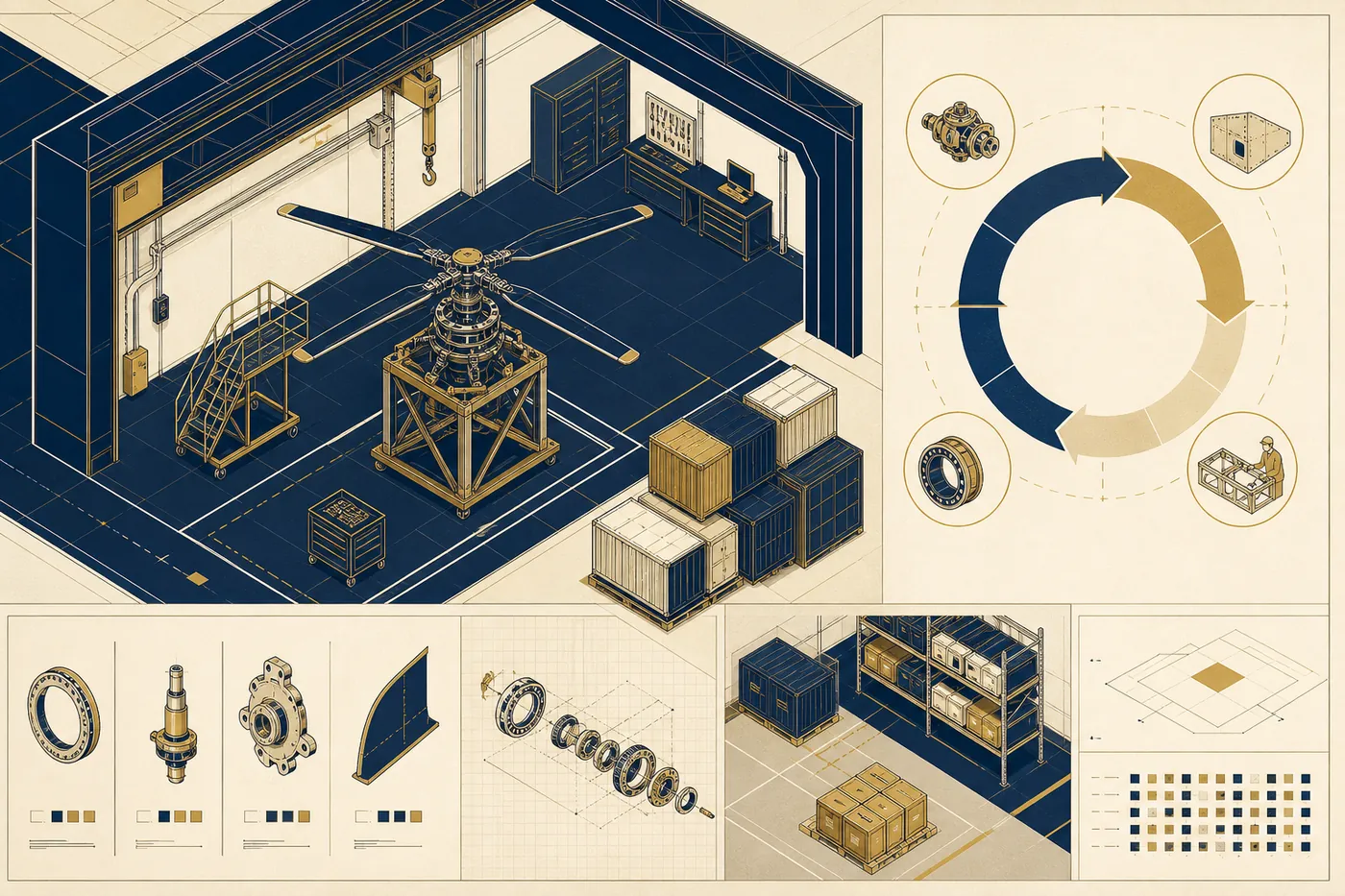
Defence MRO and Logistics Contracts in Europe: 2026 Pipeline
Maintenance, repair, overhaul and logistics account for the majority of what a European armed force spends over a platform's life, and they recur on published cycles. This briefing sets out the MRO and support contracts Dfensio has flagged, from the £879 million UK Apache and Chinook support award to Greece's €194 million fuel framework and Belgium's €445 million F-35 support line, with official values, dates and renewal windows.
Read →
Military Training and Simulation Contracts in Europe 2026
Training and simulation is procured twice: once as a line inside a platform contract, and once as a standalone programme. This briefing sets out the European training and simulation programmes Dfensio has flagged, from the two flight simulators inside the £989 million UK New Medium Helicopter contract to Belgium's €202.6 million F-35 training infrastructure line and the Dutch H225M simulator requirement, with official values and dates.
Read →
Top 5 Defence Procurement Intelligence Software in 2026
Defence procurement intelligence software is judged in 2026 on one question: how much of a European armament programme is visible before a tender notice appears. We rank five platforms against six explicit criteria, namely pre-tender coverage, number of countries, official sources, price accessible to SMEs, confidentiality and target customer, and describe what each one does well.
Read →
Janes vs GovWin vs Dfensio for Defence SMEs (2026)
Janes, Deltek GovWin IQ and Dfensio are three serious platforms that answer three different questions. This comparison sets them against six explicit criteria from the point of view of a European defence SME or subcontractor, ranks them for that specific buyer, and states plainly where each one is stronger than the others.
Read →
Best Stotles Alternatives for Continental Europe (2026)
Stotles is a strong product for United Kingdom and Ireland public sector tendering, but suppliers selling into France, Italy, Germany, Poland or Norway need a different kind of coverage. This comparison ranks the credible Stotles alternatives for continental Europe against six explicit criteria and describes what Stotles itself does better than anyone.
Read →Next step
Request a confidential briefing.
Tell us your capabilities and the countries you target. Within one working day we come back with a briefing proposal on the programmes that concern you. No public pricing, no self-service, no obligation.